

The Arctic region consists of: The Arctic Ocean (or, sea), adjoining seas, parts of Russia, parts of U.S.A., Northern Canada, Iceland, the Faroe islands and parts of Norway, Sweden and Finland. The Arctic Ocean, or often also named the Arctic Sea due to its size and junction to the Atlantic and the Pacific in the north. Of all the world´s oceans, it is the smallest and shallowest. See a map here: North Pole Arctic Map – World Atlas.
The whole Arctic region, including the previously mentioned sea and land areas, are home to millions of people and thousands of species, some of which already are under serious threat of extinction (due to climate change and warming), including polar bears, pacific walruses, and several seal species. (Center for Biological Diversity).
Previously covered 100% by thick sea ice throughout the whole year, the Arctic ocean has in the past decades warmed so much that it is now already partly open during summer months. It is estimated that the Arctic ocean will be completely ice free during summer months within a few years only, or the latest by 2040. Why is this a problem?
The problem with the Arctic ocean, and the Arctic region warming, include:
- Arctic species, flora and fauna, suffering from the warming temperature, having to adjust to completely new circumstances.
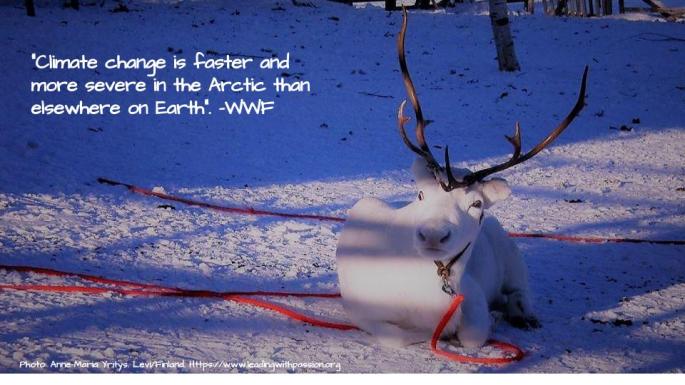
- When the Arctic region warms at least double as fast as the rest of the world, this has in/direct impacts upon our whole planet. When the Arctic ocean becomes open, it warms even faster and causes ocean currents in the whole world´s oceans to change, the (upcoming) impacts of which are yet mostly unknown.
- The large land masses in Siberia, much of which is under permafrost, are thawing due to the climate warming. This includes many risks, such as heavy amounts of methane being released into our atmosphere, with methane being a powerful greenhouse gas that changes the Earth´s atmosphere.
- The Arctic region is home to some of the Earth´s largest natural resources, such as oil and gas. Some countries are more than willing to exploit these resources, in addition to the fact that some countries see an open Arctic ocean as a means to save e.g. transportation costs from one country to another, without caring about the fragile Arctic ecosystem and the environmental damages caused by human activities.
Listen to artist and musician Ludovico Einaudi´s brave “Elegy for the Arctic” – Official Live (Greenpeace) and tune into the Arctic ocean´s atmosphere here:
Connect with me on Twitter @annemariayritys. For climate/environment-related posts only @GCCThinkActTank. Subscribe to Leading With Passion to receive my latest posts.
Take a step further to create YOUR online business. Learn more about the many benefits of how to create a beautiful website with WordPress.com and how to monetize your blog/website:
WordPress.com – Create A Beautiful Website
Jetpack – The ideal way to experience WordPress – Code-free Customization
WooCommerce – The most customizable eCommerce platform for building your online business

 Anne-Maria Yritys
You must be logged in to post a comment.