What is Sustainable Economic Development?

Reading this analytical, reflecting article “The demise of the nation state“, written by Rana Dasgupta and published in The Guardian on April 5th 2018, can be helpful in understanding the broader context of various earthly concerns, including anthropogenic climate change and its undeniable fact of being a global problem with a lack of respect for any inter/national borders.

Hence, every action taken by any nation around the world regardless of its geographical size or amount of population plays a crucial role in creating a healthier and more sustainable future. Countries that invest heavily in sustainable development, including renewable and environmentally friendly energy sources, are now pioneers and role models for less environmentally conscious and unsustainable states.

What makes your home country a pioneer of sustainable economic development? Please comment and share this post to increase awareness of the importance of sustainable economic development worldwide. Anne-Maria Yritys

What is Sustainable Economic Development to You?

Reading this analytical, reflecting article “The demise of the nation state“, written by Rana Dasgupta and published in The Guardian on April 5th 2018, can be helpful in understanding the broader context of various earthly concerns, including anthropogenic climate change and its undeniable fact of being a global problem with a lack of respect for any inter/national borders.

Hence, every action taken by any nation around the world regardless of its geographical size or amount of population plays a crucial role in creating a healthier and more sustainable future. Countries that invest heavily in sustainable development, including renewable and environmentally friendly energy sources, are now pioneers and role models for less environmentally conscious and unsustainable states.

What makes your home country a pioneer of sustainable economic development? Please comment and share this post to increase awareness of the importance of sustainable economic development worldwide. Anne-Maria Yritys

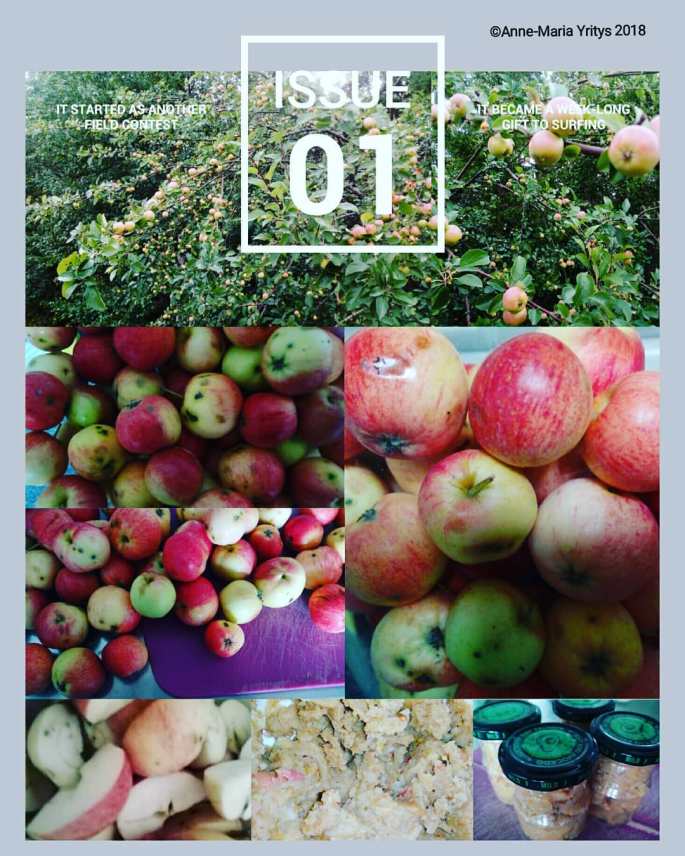
Organic apples by Anne-Maria Yritys

How Much do You Appreciate Your Work?

We appreciate what we have worked for. Do you agree?

How this all happened (the production process of the apple photo series):

– I biked 35 km to find this wild apple tree
– I took photos of the apple tree
– I picked the apples
– I biked back home (included in the 35 km)
– I prepared the apples from cutting them to smashing them
– I took some more photos
– I used an app to edit the photos on my smartphone
– I shared the edited photos on Instagram
– I shared the edited photos from Instagram to Facebook

Who helped me?

1. Our beloved nature produced the apples
2. The bike I own (produced by Helkama) allowed for me to bike to the apple tree
3. The camera I used allowed for me to take the photos
4. The mobile app allowed for me to edit the photos
5. Instagram allowed for me to upload the edited photos + share them to Facebook
6. Facebook allowed Instagram to post on my behalf from my Instagram account to my personal Facebook profile.
7. My personal FB profile allowed me to share this post further.

Never underestimate creativity, hard work or doing things on your own. But please never forget that everything you achieve and do always involves our environment and other people around us.

I could not have created this single post without a) the environment/nature b) the apple tree c) various social media apps/platforms that allow for me to share this with you.

Always appreciate what you are given. Do not take people or things for granted.

#selfmade #applesauce #smashedapples🍎 #organicfood #vegan #vegetarian #noaddedsugar

What Are The Consequences of Illiteracy & Lack of Education?

Precisely one year ago I wrote an article about education, a topic close to my heart, that I would like to share with my global network on social media.
 
This is dedicated especially to those who know how to read, who enjoy reading or who would like to improve their reading skills. Reading is actually a skill that too many people in the world lack either completely due to illiteracy, or through various forms of dyslexia.
 
According to Unesco, at least 750 million people (more than half of them are women) worldwide are illiterate. Furthermore, it is estimated that an average of 20% of world population have some form of dyslexia. It is not tied to family origin: the King of Sweden Carl Gustaf and his eldest daughter, Crown Princess Victoria, are both dyslexic.
 
Dyslexia is of course no reason to stop reading or writing. It may just make reading and writing a bit more challenging or time-consuming.
 
Thus, this article is also dedicated to those who enjoy learning, in general, including learning foreign languages (I have been learning nine different languages beside my mother tongue Finnish, some of which I speak fluently, others less), learning about different cultures, learning about history, learning through traveling, and of course learning through life experiences. Dyslexics included.
 
It is an article about the possible consequences of when education is not being valued in a country, and about how dangerous it is when the wrong people get to run a country. In this case these were communists, but in the contemporary world a democracy can be torn down by any elitistic group of people who fail to understand the importance and the true meaning of DEMOCRACY.
Anne-Maria Yritys. MBA & Vocational Teacher. 27.8.2018.
Link to article:
 
====================================
 
Tasan vuosi sitten kirjoitin artikkelin koulutuksesta, aihe joka on lähellä sydäntäni. Haluaisin jakaa tämän kirjoituksen globaalille verkostolleni sosiaalisessa mediassa.
 
Artikkeli on omistettu etenkin ihmisille jotka osaavat lukea, jotka pitävät lukemisesta tai jotka haluavat parantaa lukutaitoaan. Lukeminen on valitettavasti taito joka puuttuu liian monelta ihmiseltä maailmassa: joko he ovat täysin lukutaidottomia, tai sitten heillä on jonkinasteinen lukihäiriö.
 
Unescon mukaan ainakin 750 miljoonaa ihmistä (yli puolet heistä on naisia) maailmassa on lukutaidottomia. Lisäksi noin 20% maailman väestöstä kärsii jonkinasteisesta lukihäiriöstä. Lukihäiriöllä ei ole mitään tekemistä sosiaalisen statuksen kanssa, eikä sitä tarvitse hävetä. Esimerkiksi Ruotsin kuningas Carl Gustaf ja hänen vanhin tyttärensä, kruununprinsessa Victoria, kärsivät molemmat lukihäiriöstä.
 
Lukihäiriö ei tietenkään ole syy lopettaa lukemista tai kirjoittamista. Se saattaa vain hankaloittaa tai hidastaa lukemista ja kirjoittamista.
 
Siten tämä artikkeli on myös omistettu niille, jotka ylipäätään pitävät oppimisesta, ml. vieraiden kielten oppimisesta (olen itse opiskellut yhdeksää vierasta kieltä äidinkieleni suomen lisäksi, joista osaa puhun melko sujuvasti, toisia vähemmän sujuvasti), vieraiden kulttuurien oppimista, historian oppimista, oppimista matkustamisen kautta ja tietenkin oppimista elämänkokemusten kautta. Mukaan lukien lukihäiriöiset.
 
Artikkeli kertoo mahdollisista seurauksista kun maassa ei arvosteta koulutusta, ja kuinka vaarallista voi olla kun väärät ihmiset päästetään valtaan ja johtamaan maata. Tässä historiallisessa esimerkissä kyseessä olivat kommunistit, mutta nykymaailmassa demokratian vaaraksi ovat kaikenlaiset elitistiset ryhmittymät jotka eivät ymmärrä DEMOKRATIAN tärkeyttä tai DEMOKRATIAN todellista merkitystä.
 
Anne-Maria Yritys. MBA & AmO. 27.8.2018.
Linkki artikkeliin:
================================================================
För exakt ett år sedan skrev jag en artikel om utbildning, en fråga som jag ställer stor vikt på. Jag skulle vilja dela denna artikel med mitt globala nätverk via sociala medier.
 
Artikeln är tillägnad speciellt för människor som kan läsa, som tycker om att läsa eller som vill förbättra sin läsförmåga. Läsning är tyvärr en kunskap som alltför många människor i världen saknar: antingen är de analfabeta eller så lider de av någon sorts dyslexi.
Enligt Unesco är minst 750 miljoner människor (över hälften av dem är kvinnor) i världen analfabeter. Dessutom lider cirka 20% av världens befolkning av någon slags dyslexi. Dyslexi har ingenting med social status att göra och det är ingenting att skämmas för. Till exempel Sveriges kung Carl Gustaf och hans äldsta dotter, kronprincessan Victoria, har bägge två dyslexi.
Dyslexi är naturligtvis ingen orsak att sluta läsa eller skriva. Det kan bara komplicera eller sakta ner läsning och skrivning.  
Denna artikel är också tillägnad åt dem som överhuvudtaget tycker om att lära sig nya saker, bl.a. främdspråk, (Personligen har jag lärt mig nio olika språk vid sidan om mitt modersmål finska. En del av dessa språk behärskar jag flytande, andra mindre flytande), lära sig om andra kulturer, historia, lära sig genom resor och förstås lära sig genom livserfarenheter. Inklusive dyslektiker. 
 
Artikeln handlar om möjliga konsekvenser i ett land där utbildning inte uppskattas, och hur farligt det kan vara när fel människor får makt och leder ett land. I detta historiska exempel handlade det om kommunister, men i nuvarande världen blir demokratin hotad av flera slags elitistiska grupperingar som inte förstår vikten eller den verkliga betydelsen av DEMOKRATI.
 
Anne-Maria Yritys. MBA & Yrkeslärare. 27.8.2018.
Länken till artikeln:

Thoughts About Democracy, Education & Innovation

WEF video: The World Innovation Index 2017

Since the current government in Finland cut 600 M€ from education (175 M€ in 2019), can we expect that Finland will soon fall out from the top 10 category as well?
 
Pisa studies about school performance already indicate that many students have problems with basic learning skills, such as reading.
 
Teacher unemployment is skyrocketing and due to huge cuts within research and development, Finland is losing many of its bright minds who move to other countries.
 
Instead, the current right-wing, capitalistic and miserable government aims at building a labor market in this country where people are forced to work for free. Highly-educated Finns are unemployed simply because the current system allows it. Businesses and organizations want free labor. Our current government is probably the lousiest throughout history.
 
Since Finns are not willing to work for free, the government is investing in attracting uneducated people from abroad to do the same jobs for a lousy salary.
 
Government and media (propaganda) suggests that unemployment is below 7%. Makes one wonder where and how they have managed to scratch together these kinds of statistics. Crafting all kinds of statistics is an easy thing to do, but one has to be able to read and to interpret them critically.
 
It is not enough that markets and people are being analyzed just based on data and statistics, especially if data and statistics give people biased or even false information.
 
On the other hand, people must have enough knowledge and understanding to interpret data and statistics. That is of course impossible if the population of a country is illiterate. Illiteracy is thus a big threat to democracy.
 
Does the current government of Finland want to continue tearing down democracy? At the very moment, our so called democracy is already debatable, since a mere 200 representatives and a right-wing government make downright stupid decisions without asking the whole population what the citizens want or need.
 
Finland´s ostensible democracy needs an update. At least Finnish citizens should be reminded of what western democracy signifies and what kinds of rights western democracy has to guarantee for its citizens. Look at Switzerland, a country where not a single important decision is being made without referendum.
 
Anne-Maria Yritys, MBA and Vocational Teacher. 25.8.2018
 
=====================================
 
Och samma på svenska:
 
Kommer Finland att kunna behålla sin plats inom top 10 efter de massiva nedskärningar inom utbildningen (600 M €/175 M € år 2019) som vår nuvarande regering är ansvarig för?
 
De senaste Pisa-studierna visar redan tecken på att många elever och utbildande har problem med grundkunskaper, inklusive läsning.
 
Allt för många lärare i Finland måste gå och stämpla för att regeringen har skurit ned på forskning och utveckling så dessa människor flyttar utomlands där deras kunskaper är uppskattade inom arbets- och näringslivet.
 
Istället för att satsa på den arbetskraft som redan finns i landet verkar den nuvarande, urusla regeringen satsa på att ändra på den nuvarande arbetsmarknaden så att folk är tvungna att jobba gratis. Högt utbildade finnar går arbetslösa bara för att det nuvarande systemet tillåter det. Det har blivit en vana att firmor och organisationer förväntar sig att få gratis arbetskraft. Vår nuvarande regering i Finland är nog den sämsta vi har haft i hela landets historia.
 
Eftersom finnar inte vill arbeta gratis vill regeringen attrahera billig arbetskraft från utomlands för att jobba med dåliga löner.
 
Regeringens och mediernas (propaganda) information påstår att arbetslösheten ligger under 7%. Man måste ju verkligen undra var och hur i helvete de har lyckats få ihop sådana statistiker.
 
Det är ju så enkelt att få ihop en massa statistiker, men man måste också kunna läsa och tolka dessa kritiskt.
 
Det räcker inte att marknader och människor blir analyserade endast på en massa data och statistiker, speciellt om data och statistiker ger människor förskönad eller t.o.m. förvrängd information.
 
Å andra sidan bör människor ha tillräckligt med kunskaper och förståelse för att kunna tolka data och statistiker. Det lyckas tyvärr inte om invånarna består av analfabeter. Analfabetism är därför en stor risk för demokratin.
 
Vill Finlands nuvarande regering smula ner Finlands demokrati ännu mer? Demokratin är ju redan nu osäker när endast 200 riksdagsledamöter och en högerregering fattar dumma beslut utan att fråga hela befolkningen vad de vill eller behöver.
 
Finlands så kallade demokrati behöver en uppdatering. Åtminstone vore det bra att påminna finländare om vad demokrati betyder och vad för slags rättigheter demokratin bör garantera medborgarna. Se på Schweiz, där inte ett enda viktiga beslut fattas utan en direkt folkomröstning.
 
Anne-Maria Yritys, MBA och Yrkeslärare. 25.8.2018
 
====================================
 
Sama suomeksi:
 
Saa nähdä, pystyykö Suomi pitämään paikkansa maailman top 10 innovatiivisimpina maina sen jälkeen kun nykyhallitus päätti leikata koulutussektorilta massiiviset 600 M€, joista 175 m€ vuonna 2019.
 
Viimeisimpien Pisa-tutkimusten mukaan monilla koululaisilla ja opiskelijoilla Suomessa on jo ongelmia perustietojen hallinnassa, kuten lukemisessa.
 
Aivan liian moni suomalainen opettaja, lehtori ja professori joutuu hakemaan työttömyyskorvauksia hallituksen leikattua tutkimuksesta ja kehityksestä elleivät he sitten ole jo muuttaneet töiden perässä maihin, joissa oppilaitokset ja yliopistot ottavat heidät avosylin vastaan (suomalainen koulutus on ainakin tähän asti ollut ulkomailla erittäin arvostettua, toisin kuin kotimaassamme!).
 
Sen sijaan että surkea, kapitalistinen ja lyhytnäköinen nykyhallituksemme ymmärtää sijoittaa maassa jo olevaan työvoimaan, pyritään Suomesta luomaan halpatyövoiman maa pakottaen ihmiset työskentelemään ilmaiseksi. Korkeasti koulutetut suomalaiset ovat työttömiä vain koska nykyjärjestelmä sen sallii erilaisten tukien ja avustusten muodossa, joista näyttää tulleen jo normaalitila Suomessa. Suomen nykyinen hallitus taitaa olla maan kautta historian SURKEIN.
 
Koska suomalaiset eivät ymmärrettävistä syistä halua työskennellä palkatta, yrittää hallitus seuraavaksi investoida halpatyövoiman houkuttelemiseksi ulkomailta. Korvataan suomalaiset osaajat vaikkapa luku- ja kirjoitustaidottomilla. Mitä tyhmempi väestö, sen parempi nykyhallituksen mielestä, kunhan saadaan edullista työvoimaa.
 
Hallituksen ja Suomen medioiden informaatio-(propaganda) koneisto väittää työttömyyden laskeneen alle 7%:in. Kiinnostaisi tietää, miten ihmeessä he ovat onnistuneet luomaan kyseisen tilaston. Kaikenlaisia tilastoja kun on helppo luoda, mutta niitä täytyy myös osata lukea ja tulkita kriittisesti.
 
Ei riitä, että markkinoita ja ihmisiä analysoidaan pelkän datan ja tilastojen pohjalta, varsinkaan jos data ja tilastot antavat ihmisille kaunisteltua tai jopa vääristeltyä tietoa.
 
Toisekseen, ihmisillä täytyy olla riittävästi osaamista ja ymmärrystä tulkita dataa ja tilastoja. Sehän ei tietenkään onnistu mikäli väestö on luku- ja kirjoitustaidotonta. Väestön luku- ja kirjoitustaidottomuus on näin ollen suuri riski demokratialle.
 
Haluaako Suomen nykyhallitus murentaa Suomen demokratiaa entisestään? Eihän täällä toteudu demokratia tälläkään hetkellä, kun 200 kansanedustajaa ja oikeistohallitus tekevät typeriä päätöksiään kysymättä koko kansalta mitä kansa haluaa tai tarvitsee.
 
Suomen näennäinen demokratia kaipaa päivitystä. Ainakin suomen kansalaisia olisi hyvä muistuttaa siitä, mitä länsimainen demokratia tarkoittaa ja millaisia oikeuksia demokratian pitää kansalaisilleen taata. Mallia voi ottaa Sveitsistä, missä yhtään tärkeää päätöstä ei tehdä ilman suoraa kansanäänestystä.
 
Anne-Maria Yritys. MBA ja AmO. 25.8.2018.

What Modern Technologies Do You Use to Communicate Your Vision?

Communication is a challenging chapter for most people, including myself. When it comes to modern technologies and digital innovations, communication becomes even more of a challenge. Today, we have more digital tools than ever to communicate and to share our messages and visions to the world. Communication in the digital world has made a democratic breakthrough to everyone who has access to the Internet with its many different communication and digital platforms.

What makes communication so challenging?

This is a question that could, in itself, be discussed separately for hours, even days. In all simplicity, communication is always a challenge because it involves a number of different aspects to consider carefully, starting with the fact that the one who wants to communicate a certain message has to make sure that message is being a) received b) understood by the target audience.

Since us human beings tend to see things from our personal perspective and be more or less poor listeners, how can we guarantee that other people even want to hear what we are communicating? The perhaps biggest mistakes in any kind of communication are our own attitudes, beliefs, judgments and possible prejudices: to become better communicators, we have to let go of these and stop thinking that other people would be similar to ourselves. People generally share many common beliefs, but are also different kinds of communicators depending upon a number of factors, such as background, culture, personality, level of education, language skills, just to name a few.

A simple way to become a better communicator is to become interested in people, cultures, languages and different styles and ways of communication. Being open to continuous learning and development is of course a must. A huge plus is to actually know how to LISTEN to people.

=============================================

Someone on Twitter today asked me if I have a factory because of the amount of Tweets (+1,2 million) that I have posted by today, thanks to my own activity and modern technology. I have been active on Twitter since 2011, with currently four Twitter accounts that I use to communicate my messages to the world: @annemariayritys, @aroundomedia, @gccthinkacttank and @leadingwpassion.

Many of you may not believe the fact that I spent years of work on social media to build global networks to spread important messages of e.g. climate change, to almost every country on this planet.

My Tweets have been viewed more than ONE BILLION times per today.

The responsibility involved in leadership communication is immense. I have always tried to speak up about important things fearlessly, at the same time keeping in mind and trying to respect people from different countries and cultures. This has not been an easy road for me, but I have learned a lot.

Most of the credit belongs to Tim Fargo, Founder and President of Social Jukebox, and his ultra powerful content management platform Social Jukebox.

+ the rest is my own ACTIVITY. I uploaded more than 5.000 personal posts to Social Jukebox + use their available library with thousands of pieces of content to choose from.

You can learn more by following me on Twitter:

@annemariayritys
@gccthinkacttank
@leadingwpassion
@aroundomedia

and by subscribing to my free-of-charge newsletter at Anne-Maria Yritys

Learn more about Social Jukebox, which is an ultra powerful content management platform for business owners, entrepreneurs and self-employed professionals who want to benefit from using modern technology while communicating their message and vision to the world.

Social Jukebox

Geoengineering

How Acceptable Is Geoengineering?

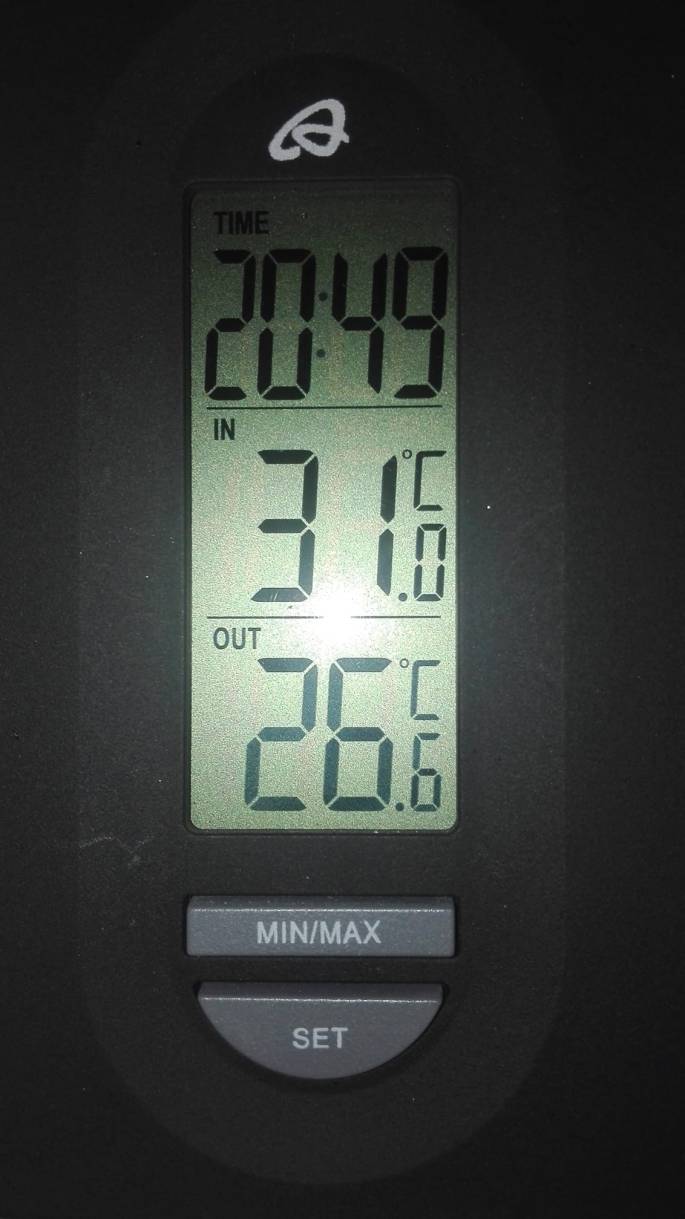
A few more tropical days in Finland, with hot days and evenings marked by thunderstorms, and then it looks like we’re getting back to normal finnish temperatures, around +20 degrees celsius during summer months.
 
How much of the heatwave is a consequence of geoengineering, artificially manipulated weather patterns by human beings in countries like China and the USA, remains unknown.
 
I would like to know your opinions and thoughts about GEOENGINEERING.
 
Acceptable?
 
Ethical?
 
Long-term consequences?
 
Short-term consequences?
 
Let me know.
 
Thanks.38234401_10155544810847093_6886575331482796032_o

Why Are You Throwing Your Waste into the Environment?

I currently live in Finland, which is one of the world´s most sparsely inhabited countries with a total population of 5.5 million. Finland is a country that can be proud of many things, including how for instance wastewater is being managed; purified and treated. Finland is actually one of the few countries in the world that does treat wastewater before dumping it back into the environment: the reason why Finnish tap water is clean and safe to drink.

Finland is also a country where recycling works very well: according to Statistics Finland, only around 10% of all municipal waste ends up in landfills. This is thanks to efficient recycling and waste recovery, for instance in the form of energy production. Finland now even has a National Waste Plan – towards a recycling society.

Dumping hazardous waste into the environment is an environmental crime in Finland. Learn more about the definition of environmental crimes here. Nonetheless and despite of well-organized recycling and waste management practices in the country, a part of the population seems to think that throwing garbage and waste into the environment is normal human behavior.

I am personally, as one of the world’s most networked female leaders and women (on social media), cleaning up at least 15 pieces of plastic and waste from the environment, 365 days a year. Waste thrown into our environment by children, teens and adults who do not know better than to harm the environment and to waste other people’s efforts and time.

No one pays me for cleaning up. I do it on a voluntary basis, because I feel ashamed for how stupid people pollute and damage our environment. If I can afford to spend my time cleaning up the environment after PIGS, you can do the same. At least do not throw your shit into the nature so I (and other people) do not have to clean up after you.

There are actually a number of movements and projects around the world to clean up for instance ocean plastic and ocean trash, an example of which is The Ocean Cleanup. In addition to similar large-scale projects, a number of grassroot activists such as PADI divers have a habit of cleaning up both beaches and seas on diving trips. Why not do the same on land, in forests and in cities?

The harsh truth is: if ALL people were smart enough not to dump their waste into the environment, we would not need to clean up after ignorant human beings. There are even countries such as Singapore, where throwing any waste into the environment is forbidden. Why not impose similar legislation around the world, just to ensure that we do not soon drown in garbage such as plastic on this planet?


How to Build a Social Media Strategy?

With a vast global network on various social media sites, my website https://www.annemariayritys.com has monthly visitors from around the world, including countries such as the USA (most of my traffic/largest audience), the European Union and European countries, Saudi Arabia and other Middle East countries, Bangladesh, Malaysia and many other Asian countries, Latin and South American countries, many African countries including Ethiopia, Ghana, Kenya, Sudan, Mali, Zimbabwe, Congo, Sierra Leone, Rwanda, Uganda, Namibia, Mozambique, Djibouti, just to mention a few.
 
By subscribing to my free-of-charge newsletter you can make sure not to miss any of my upcoming posts.
Sincerely
Anne-Maria Yritys, July 2018
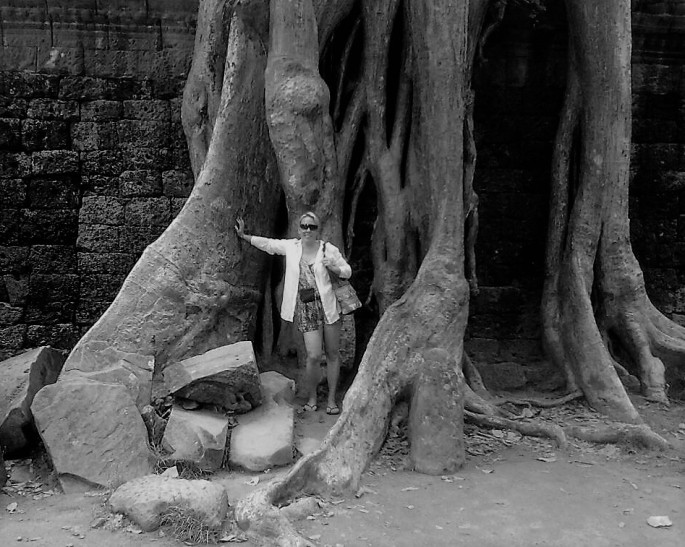
Anne-Maria Yritys Angkor Wat 2012

What Are You Thankful for in Your Life?

Anne-Maria Yritys Angkor Wat 2012
Some memories from an unforgettable trip from July 2012 when I was backpacking by myself for a month in Cambodia, Vietnam (and Thailand). I took my AOWD in Sihanoukville, Cambodia, and stayed at an almost desert island for a couple of days.
 
Would love to travel back to Cambodia again, although it was a journey that changed my perspective on life for good. Seeing the suffering of the people in Cambodia broke my heart. That is how much war causes destruction to both the economy and the well-being of the population in a country. The country has plenty of war cripples, many of whom miss arms, legs, or both, due to landmines that have still not been cleaned up from the country´s environment although it has been more than 40 years now since the civil war officially ended.
 
Widespread corruption is one of the reasons why the country has still not recovered well from the genocide. There is still a lack of doctors and hospitals: those Cambodians who can afford it, travel to Ho Chi Minh in Vietnam to see a doctor. The bus ride on the poor roads in Cambodia takes too many hours to Saigon, and the country has still no railroads.
 
I used to think that Thailand is a developing country, but after visiting Cambodia my perspective changed. When you enter Thailand after a visit to Cambodia, it is like returning back to civilization. Bangkok, as far as I know, has some of the best hospitals in the world.
 
I would not necessarily travel just anywhere in the world alone as a woman, but South East Asia is 100% safe to travel even as a woman alone. Cambodia and Vietnam are backpacker´s paradises and destinations where you see many women travel alone.
 
I was just almost killed by a green viper that fell down from a tree in the jungle of Angkor Wat when I was resting in the shadow from the burning sun. To my luck, the snake decided not to bite me, perhaps since I stayed still and did not move an inch.
 
That was my second near-death experience. The first one had been in Finland a couple of years earlier, when I was traveling by train from Eastern Finland to Helsinki.
 
There was a heavy storm, and suddenly trees fell on the train and its windows, including where I was sitting. If the train windows were not bulletproof, I’d be dead by now since a number of trees were slapping the window exactly where I was sitting. The train had to stop, and we waited for a couple of hours before we were evacuated and brought by bus transportations from the middle of the forest railroad back to our homes.
 
When I think back on these memories, I am grateful for being alive every day.